Four Poems Newly Online

Not too long ago, I discovered that four of my poems are now available online. I have a Google alert set up for my name, and though it usually doesn’t show me much that’s interesting or that i don’t already know about, occasionally, it proves valuable. That’s how I discovered that the University of Alabama Birmingham has made their back issues of Birmingham Poetry Review available online through their Digital Commons. This includes two poems of mine from 2004 and two from 2023. I’ve added these to my online poetry page. I’ve also added a few more recent online publications.

But I thought I’d post about it on my blog as well, especially since, you can search on “Birmingham Poetry Review” at the UAB Public Commons, and you can access any issue back to 1998 so far. This is an excellent resource for a huge amount of great poetry. Until now, BPR was print only. This makes it more accessible to many more people.

Why I’m Switching from InDesign to Affinity Publisher

The short answer to this question could be that Adobe is raising the price of Creative Suite, but I have been considering this move for quite awhile, even before Adobe announced its price increase.

I’ve never been happy with Adobe’s subscription pricing model. Granted, it’s a good deal if you use all that Creative Suite has to offer, but who can really use it all? I primarily use InDesign and Photoshop, with a little bit of Illustrator. I mostly publish two little magazines and do publicity for my university department using Adobe. For a long time, they were the only thing powerful enough to do what I needed, but now Affinity has come out with a very strong competition, and they charge a single fee for a license. Yes, I may need to pay to upgrade in the future, but I won’t pay every year, and Affinity’s one-time price is much less that an annual subscription for Creative Suite.

I finally broke down and bought it this summer, when they had a half-price sale on the educational price. It was affordable enough that I could justify paying for it so I could really test it out (more than I could do when I had a one-week free trial). And I could recommend it to my students because they can get what they need for one low price. I needed to own it if I was going to ask them to use it, since I knew there would be some issues to work out.

But I’ve been very happy with using Affinity Publisher and Affinity Photo so far. (I haven’t dug into Affinity Design much yet because, as I said, I don’t really use Illustrator very much, but I’m glad that I can use if it I need to create vector graphics.)

I’ve learned the most about Affinity Publisher, and though it is a little wonky (so is InDesign, but I’m familiar with its wonkiness), I’ve found it to be pretty intuitive. I have to get used to some things that are different, but some of those things are actually better for my purposes. I just learned about how to format a table of contents and have Affinity Publisher generate it. That works very well, and though I still end up ‘fixing’ a few things in the output for the TOC, I don’t have to edit it as much as I did in InDesign.

Page numbers and styles also operate a little differently than they do in InDesign, but they are close enough, and as I learn more about how to use them, I’m starting to forget how I did things in InDesign and am happy with Affinity. I have learned about a few bugs in Publisher, but there is a good user support forum for Affinity products that has been very helpful.

One thing that has made my transition easier is that importing files into Affinity has been fairly simple. For InDesign files, you do need to export the file in IDML format. Once I do that, I can then import it into Publisher and most things are carried over, including my page setup, margins, master pages, and my paragraph and character styles. And importing Photoshop and Illustrator files are even easier, since you can just open them in Affinity Photo or Affinity Designer. This means all I really need to do is to save my InDesign files as IDML formatted files before I cancel my Creative Suite subscription. That will be easy enough to do, and from tehre, I can create new documents in Publisher.

New Poems in Salvation South

I’m thrilled to see two new poems appear in Salvation South. If you’re not familiar with this weekly online journal, I highly encourage you to read the most recent issue, and not just because they took my poems. In this issue, John T. Edge interviews Wright Thompson about his new book The Barn, which explores the murder of Emmett Till. There is also nature writing from Lenny Wells and an interview with musician Caleb Caudle conducted by Chuck Reece.

My humble contribution are two poems from my “Intergalactic Traveler” series. The first was inspired by stories I’ve heard from people who’ve visited Buc-ee’s. If you haven’t driven through the South, then you may not know what I’m talking about, but just ask anyone who has, and you will likely hear similar stories. I have been amazed by the reverence and fervor people show for this institution, even friends who I would not expect to wax enthusiastic about a truck stop.

My second poem was written in response to the shooting at Uvalde, though sadly, there have been many other incidents that it could be about.

This series of poems arose out of an exercise I gave myself in 2019 to write from an alien perspective, to write in a different voice, and to take on issues that I might feel less comfortable writing in my own voice. Interestingly, after some years of writing in this series (now totaling more than twenty poems), I’ve also written about some of these issues in first person from my own perspective as well. Writing in this voice also was likely instrumental in some of my poems based in myth.

I thought I was done with my intergalactic traveler, when I saw a call from Salvation South and felt the need for a Southern-inspired poem, which led me to the one about Buc-ee’s. Who knows, maybe I’m not quite done yet…

I’m very grateful to Salvation South for making this mental leap with me and allowing these poems to grace their virtual pages. I hope you’ll enjoy them, and I hope you’ll become an avid reader of Salvation South. The editors there are creating an amazing space for challenging conversations.

How to Choose a Headshot

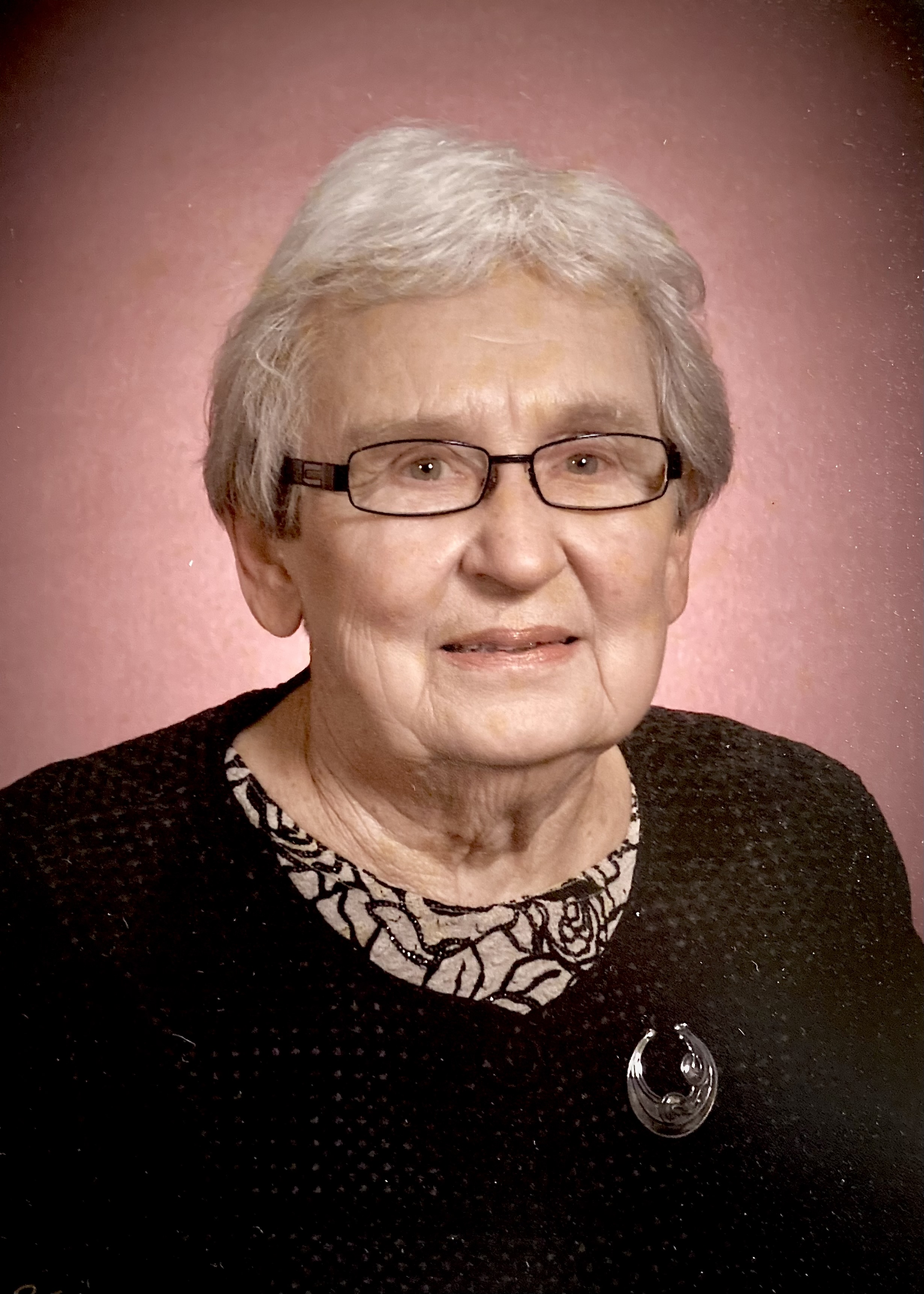
A week or so ago, I started down the path of choosing a headshot for my next book of poetry, Tree Fall with Birdsong. After taking tons of pictures using my Nikon and the self-timer, I narrowed them down to four that I thought were decent, and then decided to get some more opinions. So I hopped on Substack and set up a poll with a post about needing a new picture, not wanting the poet glam shot, and instead wanting to look like a normal person on my book’s cover.

The nice thing was that quite a few people took the poll and others commented on my cross-posts on other social media platform. I even got some more subscribers to my free Substack, which I’m planning to use mostly to get out news about the book and book events. And even nicer, the voting clearly favored the picture that I was leaning towards, too. But the comments, which got into some issues of exposure and balance, did make me ultimately decide to try again. So I added a new post and another poll with four new pictures, plust the option to stay with the first choice.

Of course, my publisher will undoubtedly have the final say, and that choice may depend as much on other design choices for the cover as it does on the photo itself. I had seen authors give readers choices about cover design or author photos in the past, though, and this seemed like a good way to drive some engagement and get people excited. No matter what happens with my photo, even if my publisher ultimately tells me I just need to get a professional photographer involved, letting people in on the process and on the decision can’t hurt, and it’s actually fun. So I highly recommend having a poll or asking for comments about your headshot the next time you need one.

If you’re not on my Substack already, please go there and help me choose the best photo!

Possumtown Book Fest

I’m pleased to say that I’ll be taking part in the Possumtown Book Fest, August 24. Friendly City Books is organizing this event at the Columbus Arts Council, and Emily Liner asked me to be part of a panel on Walter Inglis Anderson. I’ll be talking about him and my book of poems, Barrier Island Suite.

Thanks to this invitation, I’ve updated my Events page for the first time in awhile, adding the panel to my calendar and posting a few more details above in the description area. That page is about to get more activity as I gear up for the launch (next spring) of Tree Fall with Birdsong. I’m glad to see it still works the same way it used to. That’s been one place I’ve kept track of readings and other appearances related to my writing.

What I Did on My Summer Vacation

I don’t write a lot of personal posts on this blog, since I try to stick to writing about poetry and MFA programs, but over the past couple of weeks, I’ve been able to get away for a bit and take much needed vacation to Belgium that I wanted to write about — and I promise this does have a connection to my poetry.

You see, Belgium is like a second home to me, but one that I don’t get to see nearly often enough. It’s been a dozen years since I’ve been back, thanks to a number of things that got in the way, including that little pandemic that we’re not 100% over. So it was high time I returned with my family to visit friends and reconnect with some of the places we love most.

I first went to Belgium as an exchange student, and I still am in touch with my host-mother, Jenny, and my host-brother, Frank. I lived there for a year again when I was on Fulbright to Ghent to research my dissertation, the translations of the Collected Poems of Paul Snoek, and again for six months when I taught as a Fulbright professor in Leuven and Antwerp. The last time we were there was with students in a month-long study abroad program that we took to Brussels, where I got to brush up on my French. But this time we returned to Ghent and to Leuven, visited Frank and his wife Sabine, saw their kids Fritz and Tessa, and even met their significant others. It’s amazing that they are both accomplished young adults, and that Frank and I (and our spouses) are now starting to contemplate retirement.

When Tessa was 18, she asked me for a poem for her birthday. That prompted me to write “Tesselations” which will be in my forthcoming book Tree Fall with Birdsong. Other poems, like “The Rain in Flanders” are inspired by my time there while on my first Fulbright, just a year before she was born.

I don’t know if or when I might write more Belgian poems, but I’m always inspired by it and by the work I’ve done translating from Dutch. We were glad to be able to reconnect with Paul, one of Paul Snoek’s sons, again on this trip, too. It’s always great to see him and his partner, Sophie, and to catch up on their lives.

The thing about visiting Belgium is that, even when we do touristy things, like visiting the James Ensor house in Oostende or going to the War Museum in Bastogne, the site of the Battle of the Bulge, it is more like visiting a familiar place or hanging out wiht family than going on a trip. We were happy to take long walks in the countryside or around the city, visiting the universities where I studied or taught. We also stopped by downtown Brussels on the way to Leuven and spent an afternoon at the Royal Art Museum in Antwerp.

Everywhere we went was filled with memories and associations, and we wished we had more time to soak it all in. But vacations can’t last forever, just like the beautiful summer weather we had while we were there. Our first day was cold and rainy, which is typical for Belgium even in summer, but then we got sun and the heat that the Belgians had been craving, since they had had a very rainy spring. But the last few days returned to the normal cool temperatures and drizzle, as a reminder that it was time to head home, which we did with the promise that we won’t let so much time go by before we visit again.

So thanks to everyone we hung out with in Belgium this time, from my host-family Jenny, Frank, Sabine, Fritz, Lore, Tessa, and Bernard, to Paul and Sophie, and even to the staff member of the Irish College in Leuven who took us on an impromptu tour one morning that lasted nearly an hour, the owner and customers at a beer shop where we watched Belgium play in the Euro Cup one night, and the teacher at our son’s school who let us in to see his classroom that had hardly changed in nearly 20 years. It was a magical trip with amazing weather, great food, and wonderful experiences to add to our long list of memories to revisit next time.

The Meaning of Rejection

Submittable calls it “Decline.” I like to refer to it as “Returned” when my manuscripts come back to me, which they still do more often than not. As an editor for Poetry South and a frequent submitter to many magazines, I have a complicated relationship with rejection. On the one hand, I have a tough skin because I return far more manuscripts than are returned to me. I get it when magazines send my work back — there are a lot of factors that are out of my control, so I shouldn’t take it personally. And yet, there is always an ounce of regret, even when I know better, when a magazine doesn’t accept my work.

Lately, I’ve been thinking of rejection more in terms of the poems I’m reading for Poetry South. Our default decline letter states that: “We know there are many excellent poems that we won’t find a place for or that won’t fit our needs for this issue.” Truer words were never spoken, and yet we also want to publish the best poems we receive. Does that mean that all the poems we send back were somehow inferior to the other poems that we accept? Not really.

You could look at the math. Right now, I’m reading for one month with over 60 submissions, which means I’m reading 240 poems. We take submissions 12 months a year. Our annual deadline is July 15, but we start receiving submissions for the following year on July 16 as of 12:01 a.m. So that means that if the month I was readng for were an average month, we would read 720 submissions and 2880 poems. It is not an average month. May, June, and July are our busiest months, when we anticipate getting 200-300 submissions a month. We’ll probably have that many from July 1 – July 15, and we get quite a few in the second half of July, too. We read year-round, though we often take a break from reading in August – November while we concentrate on putting together the next issue. What that means is that of the 240 or so poems that I’m reading right now, I can probably accept ten or fewer, since we aim for about 100 pages of poetry in our annual issue. There are tons of really good poems that I won’t be able to accept simply because if I did, I would fill up the magazine in no time.

Do we pick the best? We try. We are also human, and we are also trying to select the best poems for our next issue. That means that some really good poems won’t be selected. Some of those might be better than what we select but might not be a good fit for Poetry South or might not be a good fit for the issue that is developing. Sometimes we might overlook a “better” poem simply because we are not the best reader for that poem. Sometimes we might overlook a “better” poem because we feel the way it is formatted won’t work well in the pages of our magazine. Sometimes we’re tired. Sometimes we’re feeling the pressure of the poems we haven’t read yet or the ones that we know will be submitted in the coming months. We do our best to pick the best, but that term is subjective and relative and unfair. Please remember that when we send your poems back to you.

We also want to support new writers or writers who’ve been around for awhile and who show promise. Sometimes we accept poems by writers who’ve been sending to us for awhile because we want to encourage them. Sometimes we accept a poem by a writer who is in high school or college that may not be objectively “the best” but that shows a lot of promise. We don’t accept poems that we don’t like or that we think won’t fit in with our journal, but we do appreciate a poem that’s a little rough around the edges at times. We’re not looking for uniformity. We are looking for variety and for poems that challenge us in new and intersting way, even if they may not be “the best.” They are all the best for us at that moment when we accept them.

I want to be excited by every poem that we publish, even if that means we overlook some really good poems by well-published poets in the process. Because we know we do. We read your bios and know where you’ve published. We try not to to be too impressed by past successes, and we try to concentrate on the poems you sent us, not who you are, but we do notice. Often after we’ve made our decision about the poems.

When I send my poems out into the world, I know they will face the same inscrutable process. I know they need to land in the right person’s hands at the right time in order to have a chance of acceptance. I celebrate when they do, and I try to get them into other people’s hands as soon as I can when they come back to me. I try to remember myself as an editor when I submit my work, and to be gracious to those editors who spend their time and energy reviewing my poems. And I try to remember myself as a submitter of poetry when I’m reading everyone else’s poems, to give them the diligence they deserve and to look for the poems that will be right for us this year. And I look for the best, whatever that might mean for me at the moment, which is always affected by all the poems I’ve been reading, accepting, returning, or holding onto so I can read again before I make a final decision.

I know I am imperfect. I know I try to do my best, and I’m proud of all the poems we’ve published in Poetry South. Whether you call it “reject,” “decline,” or “return,” I hope that all the poems that go back to their poets will find their best place to be published. There are many, many other great magazines out there, and this gives me comfort every time I hit “Deline.” Somewhere else there is a better home for that poem, and I hope that it finds its home soon.

Wordle Strategy Redux

Today’s Wordle threatened to break my 81 game streak, but I paused for a moment, used strategy, and defeated the deceptively simple game.

Without giving away the word, I can say that I got four correct letters on my first try, made a good guess and got them all in the right place, guessed another good word and didn’t get that pesky fifth letter. That’s when I stopped guessing the word, as you can see by my results.

Wordle 1,052 6/6

🟨🟨🟨⬜🟩
🟩🟩🟩⬜🟩
🟩🟩🟩⬜🟩
⬜⬜⬜⬜🟩
⬜⬜🟨🟨⬜
🟩🟩🟩🟩🟩

With onlhy three more guesses, I realized that I should see how many other possibilities there might be. I quickly found at least six words that used letters I hadn’t already used in the blank space. Unless I guessed the right one in three tries, I would lose. So I chose three of those letters (all consonants) and made a word with them. None of those letter were right, so I tried again with the remaining letters. As you can see, one of those letters matched, so I could fill in the word with my last guess.

I’ve found that you lose when you keep guessing the word and there are too many possible words. This happens more often if you guess a lot of letters correctly in your first tries because then you’re reusing those letters whenever you try to guess the word.

I should have stopped after my second guess when I had all the letters I needed in the right place. The urge to guess the word right in the fewest number of tries lured me into guessing the whole word again. I should have tried different letters at that point, and I might have guessed the right one sooner or at least had a better chance of not running out of guesses. Fortunately, my better instincts kicked in soon enough, and I did give myself enough guesses to make it through the possible letters that could be the right one.

If I hadn’t gotten it on my fifth try, then maybe there would have only been one possible letter that I hadn’t tried, or if there were two, I would have had 50/50 odds. By that point, I was running out of consonants that I hadn’t used, so I knew that if I could guess six in two tries I ought to know which one I needed to use on my last try. And that’s how I saved my streak.

Is there a lesson here beyond how to play a silly game? Sure. It’s not always best to try to risk it all for immediate success, even when success seems immanent. Sometimes it’s best pause and consider all of your options. You might avoid making a costly mistake.

How Do You Know When You’ve Written a Poem? — A Dream Answer

In a dream last night, I was at an event aswering questions, and someone asked, “How do you know when you’ve written a poem?” I had a pretty good answer, or at least so it seemed in the dream. So let’s see how much I can remember here.

The first part of my answer was that you know when you’ve written a poem when you’ve been moved by something you wrote. We are always our first audience, so if it doesn’t move you, then it’s not likely to do much for someone else, and conversely, if it does move you, you may not need anyone else’s approval.

When that’s not enough, and you want your poem to join in a conversation with others, then you read other poems and compare what you’ve written to what else is going on out there. I recommend reading both contemporary poets from literary magazines and recent books as well as classic poetry or poetry from around the world. Expand your reading, and you will expand your poetry. Know what magazines are publishing, and you’ll have a better sense of where to send your work. But just remember that there are so many kinds of poetry out there. You can find your own space.

If you really want to test your poetry against others, then take a class like the workshop I’m teaching this semester. We’ll read lots of poems and discuss how poetry works. You’ll get confused, but hopefully out of that confusion you’ll also distill a clearer sense of your own about what makes a poem. If you want to get really confused, then join an MFA program, and we’ll talk about poetry and about writing for a couple of years, you will write a ton, and you will really develop your own sense of craft. But ultimately, it will still always come back to your primary audience, yourself as your first reader, and the other audiences you now know you want to reach.

But I knew that wasn’t enough for my dream interlocutor, who would probably want a more specific answer for what makes a poem. For me, something is a poem when it says at least one thing clearly, yet also is open to multiple levels of meaning and interpretation. Not everyone would agree, but I tend to like poetry that can be understoond on first read, at least on some level, and I like poetry that rewards multiple readings. Something is a poem when it is said in a way that there may be no other way that can quite say it. And something is a poem when its sounds and rhythms add to the multiple layers of meaning, when it is beautiful enough to be memorable or is disturibingly beautiful enough to be haunting. Something is a poem when you can hear it one day, come back and read it the next, pick it up again years later, and still find something in it you didn’t see the first time, or that you return to it over and over, even if the meaning doesn’t shift but because that meaning is so solid and so useful or so beautiful.

And as you are writing, something is becoming a poem when you can return to it over and over, and in revision you can continue to explore it and discover new meanings, new fascinations, and new ways to refine it, until you are done with fiddling and ready to let it go into the world as it is, when you can continue as its first reader to find newness in it that you didn’t realize when you wrote it. A poem is a poem when you can revisit it afresh with every new reading, and it doesn’t grow tired, even when you’ve moved on to writing new poems.

There are many kinds of poetry and many poets who challenge my definitions of poetry in productive and provocative ways (including my students who do that every day). And all of that can be poetry or some of it may be bleeding into fiction or creative nonfiction or other forms in interesting ways. To come back to my original answer: as long as it moves the writer, then it is poetry to them, and if it finds readers who are moved by it as well, so much the better.

Two Tiers of Pushcart Nominations

Did you know that there are two kinds of nominations for the Pushcart Anthology? I was looking through some old papers this morning and was reminded of the distinction.

The one most of us get is a nomination by the editors of a journal. Each editor of any literary magazine can send in up to six nominations each year. These can be any poem, story, or essay published in the year in question. If you think about it, this is quite an honor because an editor has selected your piece out of all the pieces that they have published in a year. I value every Pushcart nomination I’ve received because it tells me the magazine editors value my work enough to nominate it. Many magazines announce their nominees each year, which is a way to promote the magazine and to promote those writers. If there’s not a public announcement of nominees, I would hope that most magazines notify those nominated.

The other kind of nomination, though, is a little more impressive. That’s the letter I found when going through my files. I think at the time, I didn’t even realize there was a difference, but now that I’ve been a magazine editor and sent similar notifications to one or two of our nominees, I know the difference. This was a letter from The Literary Reveiw informing me that the Pushcart Prize editors had informed them that my poem “Persia” had been nominated for inclusion in the anthology. This means that the magazine had nominated me, and then the anthology editors had read my work and decided to send it on to the issue editor and judge of the contest. It’s like becoming a finalist or semi-finalist in a contest. My poem didn’t get the final nod from the editor for that issue, so I didn’t get in the anthology that year, but it did make it to that next round in the process.

Naturally, being selected for the Pushcart Anthology is the highest distinction. Getting nominated by a magazine initially is worth posting about and celebrating. Getting the nod to move on in the competition is an even bigger achievement. When I see people say in their bios that they are a Pushcart nominee, I always wonder which level they mean. For myself, I don’t make a big deal out of it anymore, though I was certainly proud and pleased when it happened. Finding that letter was a reminder that there’s a fair amount of confusion about what a Pushcart nomination means, so I thought I’d share my experience.